If you’ve ever walked into the woods and suddenly noticed fresh scrapes appearing everywhere, you’re not alone. Every deer hunter wants to know when bucks begin scraping because it signals changing deer behavior and the approach of the rut. Understanding when scrapes appear, why bucks make them, and how to hunt them can help you spend more time in the right places and increase your chances of seeing mature bucks.
What Is a Deer Scrape?
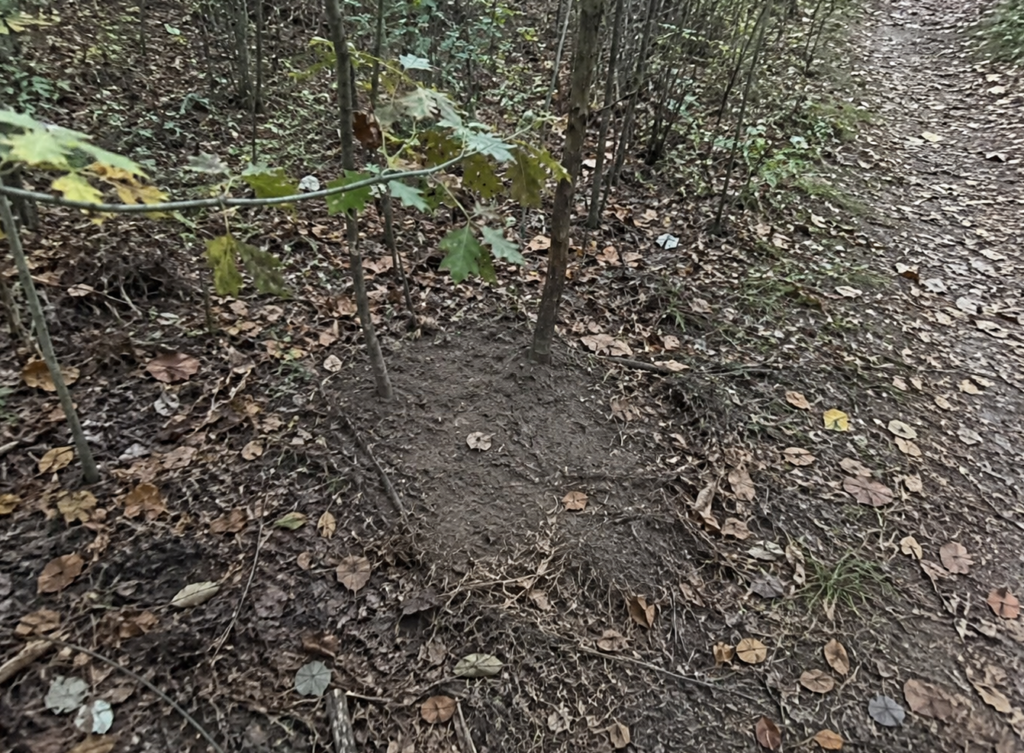
A scrape is an area of bare dirt that a buck creates by pawing away leaves and debris with its front hooves. Bucks usually make scrapes beneath low-hanging branches called licking branches, where they leave scent from glands on their forehead and face. Deer also urinate in the scrape to leave additional scent for other deer.
When Do Bucks Start Scraping?
Most bucks begin making scrapes several weeks before the peak rut. In many parts of the United States, the first noticeable scrapes begin appearing in late September through October, although timing varies depending on location. Younger bucks often start first, while mature bucks create more active scrape lines as breeding season approaches.
What Causes Bucks to Start Scraping?
Increasing testosterone levels and shorter daylight hours trigger scraping activity. Bucks use scrapes to communicate with other deer, establish territory, and monitor does that may soon enter estrus. While hunters often think of scrapes as signposts, they are actually communication hubs that many deer visit throughout the season.
Should You Hunt Over Scrapes?
Hunting directly over every scrape isn’t always the best strategy. Fresh scrapes near food sources can be productive during early season, while scrape lines near travel corridors often become more active as the rut approaches. Trail cameras can help determine whether mature bucks are visiting a scrape during daylight hours before choosing to hunt it.
Final Thoughts
Bucks begin scraping well before peak rut, making scrapes one of the earliest signs that deer behavior is changing. By scouting fresh scrapes, monitoring them with trail cameras, and paying attention to local deer activity, hunters can gain valuable information before opening day or the rut begins.