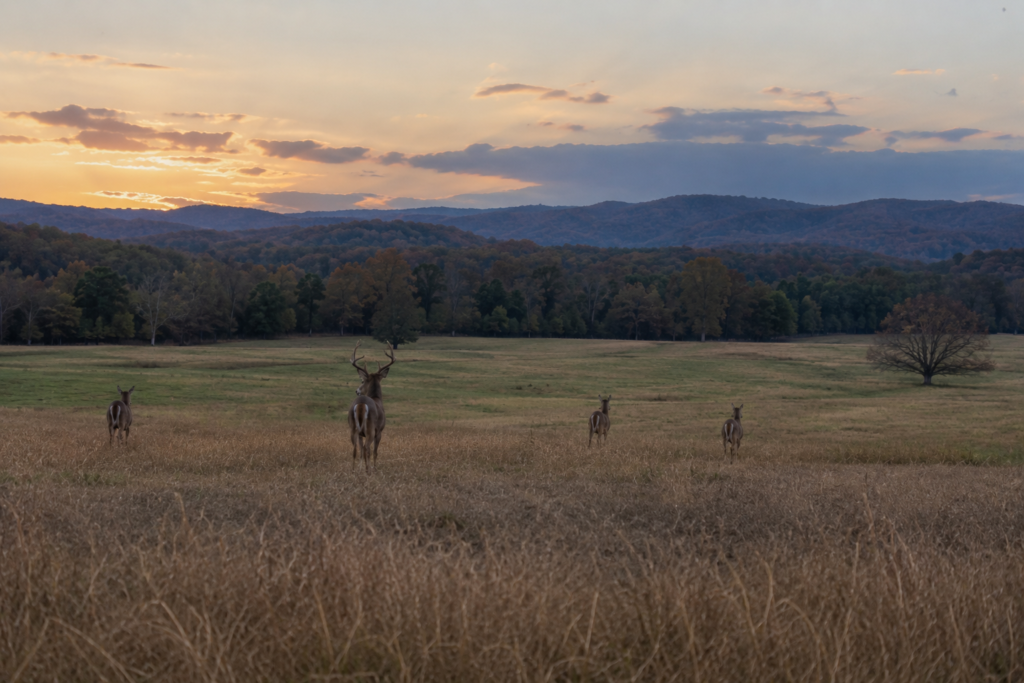
If you’ve spent any time hunting whitetails, you’ve probably heard someone say, “The cold front is coming—deer will be moving.” While there is some truth behind that statement, weather affects deer in more ways than just temperature. Wind, rain, barometric pressure, and seasonal weather changes all influence when deer feed, travel, and bed down.
Although no weather condition guarantees deer movement, understanding how different conditions affect deer behavior can help hunters make smarter decisions about when and where to hunt.
Temperature and Deer Movement
Temperature is one of the biggest factors influencing deer movement. During the fall, deer become much more active as cooler weather arrives and they begin building fat reserves for winter.
Many hunters notice increased movement when temperatures fall into the 40–50°F range. Deer are comfortable moving during these temperatures because they can travel and feed without overheating or burning excessive energy.
Warm weather has the opposite effect. When temperatures climb into the 60s or higher during the fall, deer often limit daytime movement and become more active after sunset. Instead of feeding in open areas, they’ll spend more time resting in shaded timber or thick cover.
One thing many hunters overlook is that the change in temperature often matters more than the actual number. A sudden 10–20 degree drop after several warm days frequently increases daylight movement as deer feed more aggressively before colder weather settles in. If you want to see how weather changes affect deer on your property, using a quality trail camera is one of the best ways to track movement patterns before and after a cold front.
Rain and Snow
Rain doesn’t always shut deer movement down.
A light rain or drizzle often has very little effect and can actually improve hunting conditions. Wet leaves make it easier for deer to move quietly, cooler temperatures increase comfort, and rain helps reduce lingering human scent.
Heavy downpours are different.
When rain becomes steady and intense, deer usually bed down in thick cover until the worst of the storm passes. Once skies begin clearing, movement often increases as deer leave cover to feed.
Snow creates similar patterns.
The first snowfall of the season often sparks additional movement as deer adjust to changing conditions. Before a major winter storm, deer commonly feed heavily to prepare for spending extended periods bedded during severe weather.
After a snowstorm ends, hunters frequently experience some of the best movement of the season as hungry deer return to food sources.
Wind’s Impact on Deer
Wind is one of the most debated topics among deer hunters.
Many believe strong winds completely shut deer movement down, but research and hunter observations suggest that’s not always true.
Instead of stopping movement altogether, deer usually relocate to areas where they can better use their senses. During windy days they’ll often move along leeward ridges, creek bottoms, thick timber, or other protected terrain where wind noise is reduced.
Moderate winds between 5 and 15 mph can actually work in a hunter’s favor. Wind helps carry scent, masks small noises, and often encourages deer to move naturally throughout the woods.
Extremely strong winds, however, typically reduce movement in open fields as deer seek shelter.
Barometric Pressure and Cold Fronts
Many experienced hunters pay close attention to barometric pressure.
When pressure begins falling before a storm, deer often increase feeding activity before poor weather arrives. After the front passes and pressure begins rising again, cooler temperatures and clear skies frequently create excellent hunting conditions.
Cold fronts combine several favorable weather changes at once.
Temperatures fall.
Wind direction changes.
Barometric pressure rises.
Together these conditions often produce increased daylight movement, especially during early season and late season when deer focus heavily on feeding.
Although weather becomes less important during the peak rut, cold fronts can still increase the chances of seeing mature bucks during legal shooting hours.
Seasonal Weather Patterns
Weather affects deer differently throughout the hunting season.
During the early season, hot afternoons usually push movement toward sunrise and sunset.
As fall progresses and temperatures cool, deer spend more time feeding during daylight hours.
During the rut, breeding instincts become the primary driver of buck movement, although cool weather can still increase activity.
Late in the season, cold temperatures often send deer directly to reliable food sources as they attempt to replace calories lost during winter weather.
What This Means for Hunters
No single weather condition guarantees success.
Instead of focusing on one factor, hunters should look at the overall forecast.
A cool morning after a cold front, light winds, rising barometric pressure, and clearing skies often provide some of the best opportunities of the season.
Even on days with less-than-perfect weather, adjusting stand locations can make a major difference. During windy conditions, hunt protected ridges or creek bottoms. After heavy rain or snow, concentrate on travel routes leading toward food sources.
Successful hunters adapt to changing conditions instead of staying home simply because the forecast isn’t ideal.
Final Thoughts
Weather plays an important role in deer movement, but it is only one piece of the puzzle. Food availability, hunting pressure, breeding activity, and local habitat all influence where deer travel each day.
Understanding how temperature, wind, rain, barometric pressure, and seasonal weather interact gives hunters another advantage when planning a hunt. As the weather cools and the pre-rut approaches, you’ll also begin seeing fresh scrapes appear throughout the woods. Learn more in our guide on When Do Bucks Start Scraping? While no forecast can guarantee you’ll see a mature buck, paying attention to changing weather conditions can improve your odds and help you make more informed decisions in the field.